Field notes: the gather that came up six head short
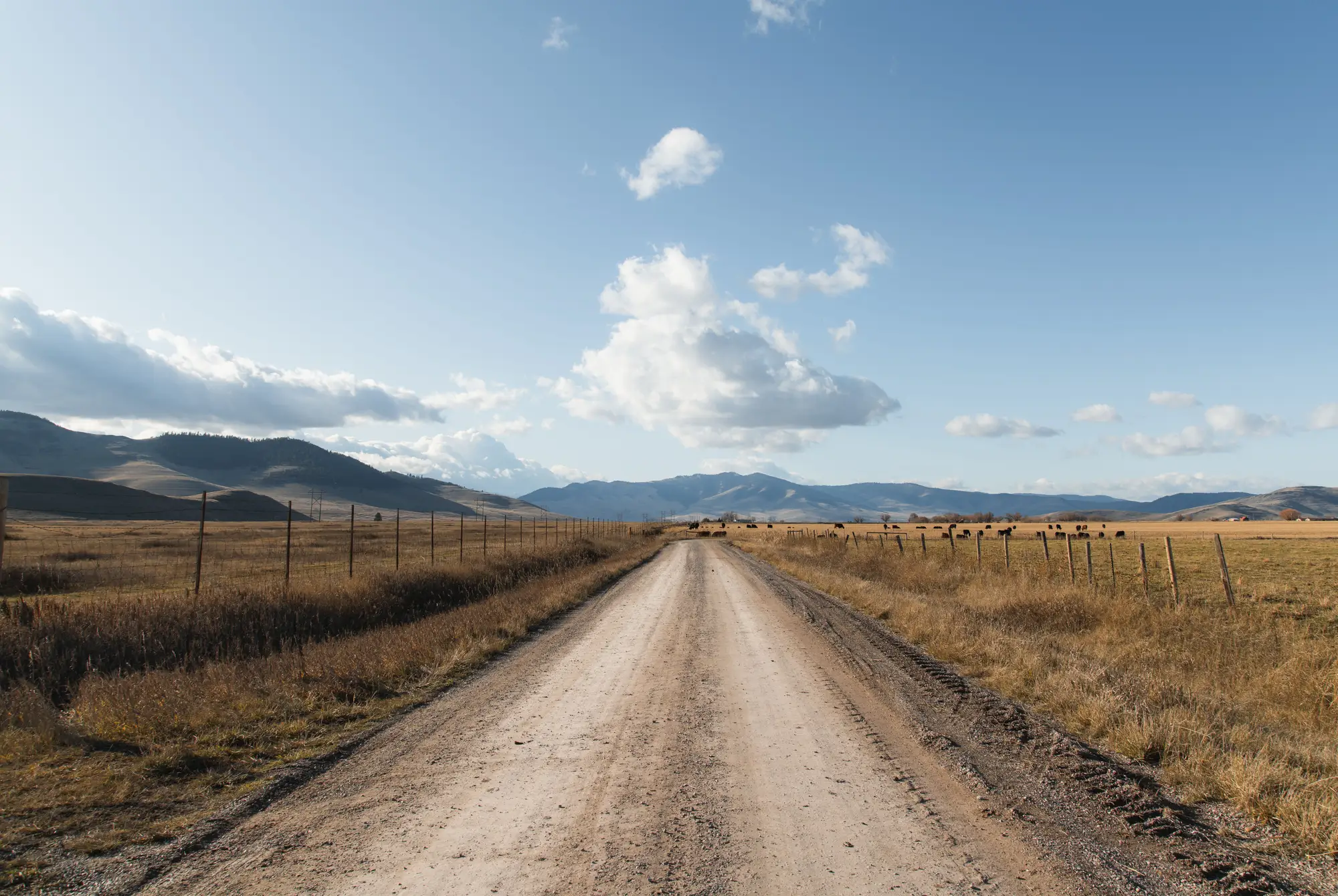
We gathered the east allotment the first week of October, same crew, same order we always run it: push the draws first, work the tanks, end at the lane. Tally at the chute said 194. The book said 200.
Six head is enough to matter. It's a phone call to the lease partner, a second pass through the brush with fresh horses, and a few uncomfortable nights wondering if somebody's been cutting your fence instead of just letting it sag.
We spent two days on it. Rode the same draws twice. Checked the tank on the north end where the mud gets deep enough to swallow a calf and leave no sign. Nothing. No carcass, no buzzards working a spot they shouldn't be, no cut wire with tire tracks on the other side. Just six cows that weren't where the tally said they ought to be.
Found them on the third day, a half mile into the Anderson lease, grazing like they owned the place, because as far as they were concerned, they did. The four-strand between our east gate and his south pasture had been down since a windstorm back in June. Not cut. Not stolen. Just down, the way fence goes down when nobody's ridden that stretch in a season because there was no reason to.
Here's the part that sticks with me. We didn't lose six head of cattle. We lost a fence we didn't know was a fence anymore, and the cattle did exactly what cattle do when a boundary stops being a boundary: they found the better grass on the other side of it and stayed there until somebody came looking.
A gather catches what's wrong on the day you happen to be counting, and stops there. It doesn't tell you when the wire went down, or how long those six had been drifting back and forth before they finally settled in on the neighbor's side. If that storm had hit in April instead of June, we might have carried a six-head discrepancy through an entire grazing season without knowing which pasture was actually feeding them, or for how long, or what that did to our stocking numbers on paper versus on the ground.
A once-a-year tally catches the fence after the fact. It doesn't catch the month the fence was down and the pasture it emptied into was quietly running heavier than the lease agreement assumed. That's the gap a count you only do at gather time can't close, and it's the reason a lot of us are starting to look at something closer to a monthly check instead of an annual one. A count that runs every month regardless of whether anyone's riding that line would have shown six head drifting east well before the gather, and probably would have shown the Anderson pasture creeping over its own stocking rate at the same time, since those six weren't eating nothing over there.
We fixed the wire. Took us forty minutes and a roll of hightensile we had in the truck bed anyway. The cattle came back across on their own inside a week, because our side still had the better water. No harm done this time, past the two days we spent looking for a problem that was really a fence problem wearing a cattle-count costume.
But the next time it's not a dry year with slack management on both sides of the line. The next time it's a drought year, the neighbor's grass is already thin, and six head drifting into it for three months instead of three weeks is the difference between a pasture that recovers and one that doesn't. Worth knowing before the next gather tells you, not after.
If you'd rather catch the drift than explain it after the fact, Livestock Counting runs that monthly check for you.