Early signs of overgrazing before the bare ground shows
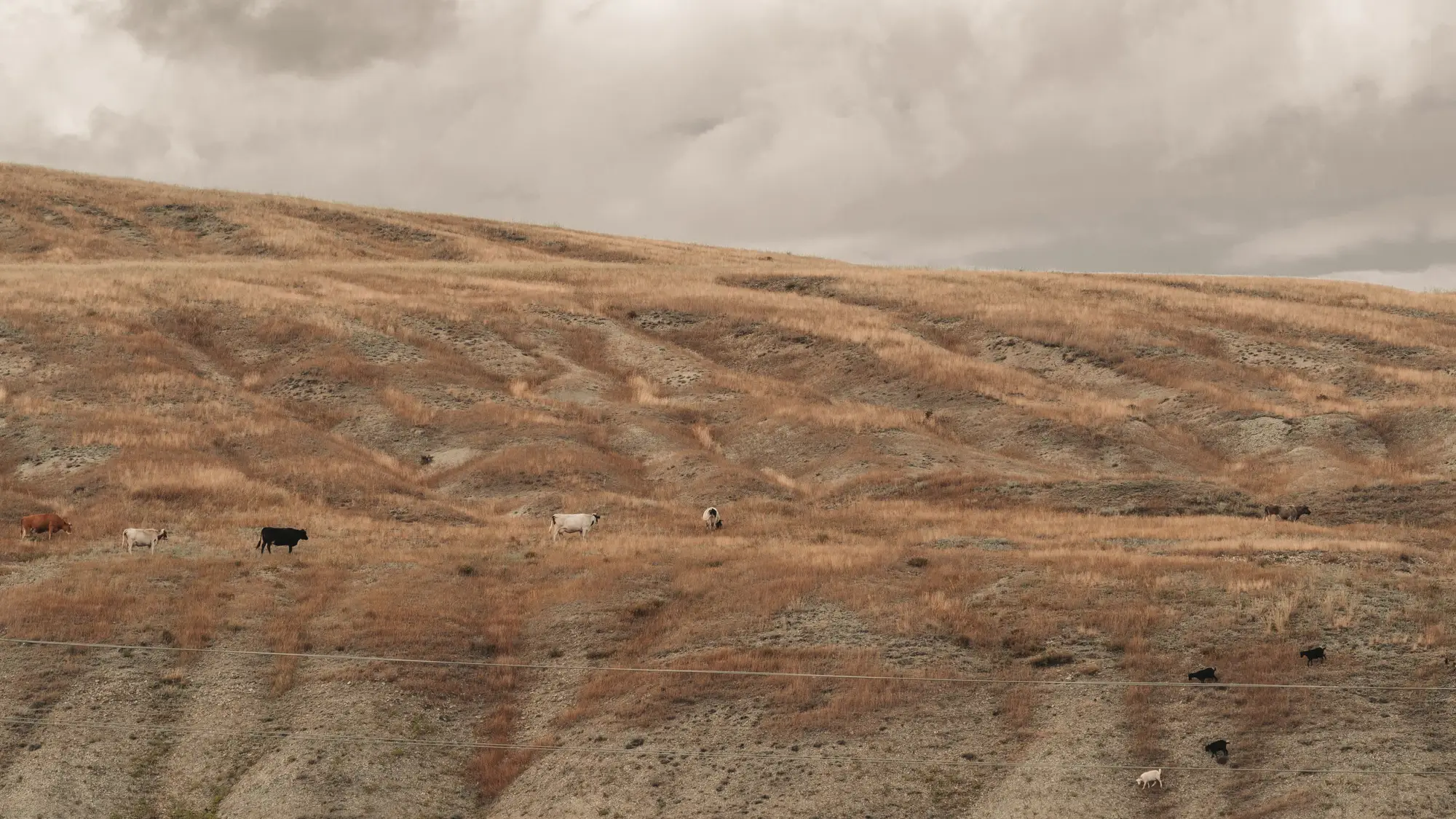
By the time you see bare dirt between the clumps, you're not looking at a warning anymore. You're looking at a pasture that's been overgrazed for weeks, maybe a full growing season. The grass told you something was wrong a long time before the ground did. Most of us just weren't walking that pasture closely enough to catch it.
Bare ground is a lagging indicator. It shows up after the plant has already lost its root reserves, after the key species have been grazed down past the point of quick recovery, after the window to pull cattle and let it rest has mostly closed. If bare ground is your trigger to move stock, you're always a step behind the pasture.
What shows up before the dirt does
The first thing to go is species composition, not ground cover. Cattle are selective grazers. They'll hit the palatable grasses hard, over and over, while the less desirable stuff gets skipped. A pasture can still look green from the truck window while the plants cattle prefer are getting re-grazed before they've had a chance to put up new leaf. That's the first real sign: regrowth getting bitten off at two or three inches instead of being left to build back.
Residual height is the easiest thing to check and the thing most of us skip because it means getting out and measuring, not eyeballing it from the truck. If the grass you're leaving behind after a grazing pass keeps getting shorter each rotation, that's utilization creeping up pass over pass. A single hard graze isn't the problem. A pattern of shrinking residuals is.
Watch the plant base, not just the leaf. Overgrazed bunchgrasses start showing dead centers, a ring of green growth around a hollowed-out middle. That's a plant that's been hit so many times during the growing season it can't push new tillers from the crown anymore. You'll see this on key forage species a full season before you'd call the area "bare" by eye.
Trailing and loafing areas spread faster than they should. Cattle concentrate near water, shade, and salt no matter what, but when a pasture is carrying more animal units than it can support, those trampled zones expand outward instead of staying put. If the bare patch around the stock tank is bigger than it was last year, that's not localized wear. That's overstocking pressure radiating out from the point of congregation.
Litter cover thins out before soil shows. The dead plant material lying on the ground between live plants protects soil moisture and feeds the microbial activity that keeps forage productive. When utilization runs too high, there's nothing left to fall and build that litter layer. A pasture with thin litter and tight residuals is telling you the same thing a bare patch tells you, just a season earlier.
Why forage recovery is the real clock you're running against
Overgrazing is a function of rest, not daily intake. Whether the plant gets enough recovery time between bites to rebuild its root system before the next pass decides everything that follows. Graze a plant, let it recover fully, graze it again: that cycle can run for years without damage. Graze it again before the roots have rebuilt, and you're drawing down a bank account that doesn't refill on its own schedule. Drought years shrink the recovery window. Hot, dry stretches mean plants need more rest, not less, right when most operations are tempted to leave cattle in place a little longer because the next pasture isn't ready yet either.
The hard part on open range is that you can't walk every paddock every week. A unit that runs a few hundred head across pastures measured in sections, not acres, doesn't get covered on foot or from a truck cab often enough to catch residual height dropping pass over pass. By the time someone makes the drive out to the back pasture, the signs that would've shown up early are long past and the bare ground has already arrived.
That gap, between what's happening in the grass and what shows up when you look, is the whole problem. A monthly head count paired with a pasture-by-pasture condition read closes that gap before the forage runs out from under a herd that looks fine from the road. If you want to see what that looks like for your own pastures, Livestock Counting runs that read every month so the flag comes before the grass does.